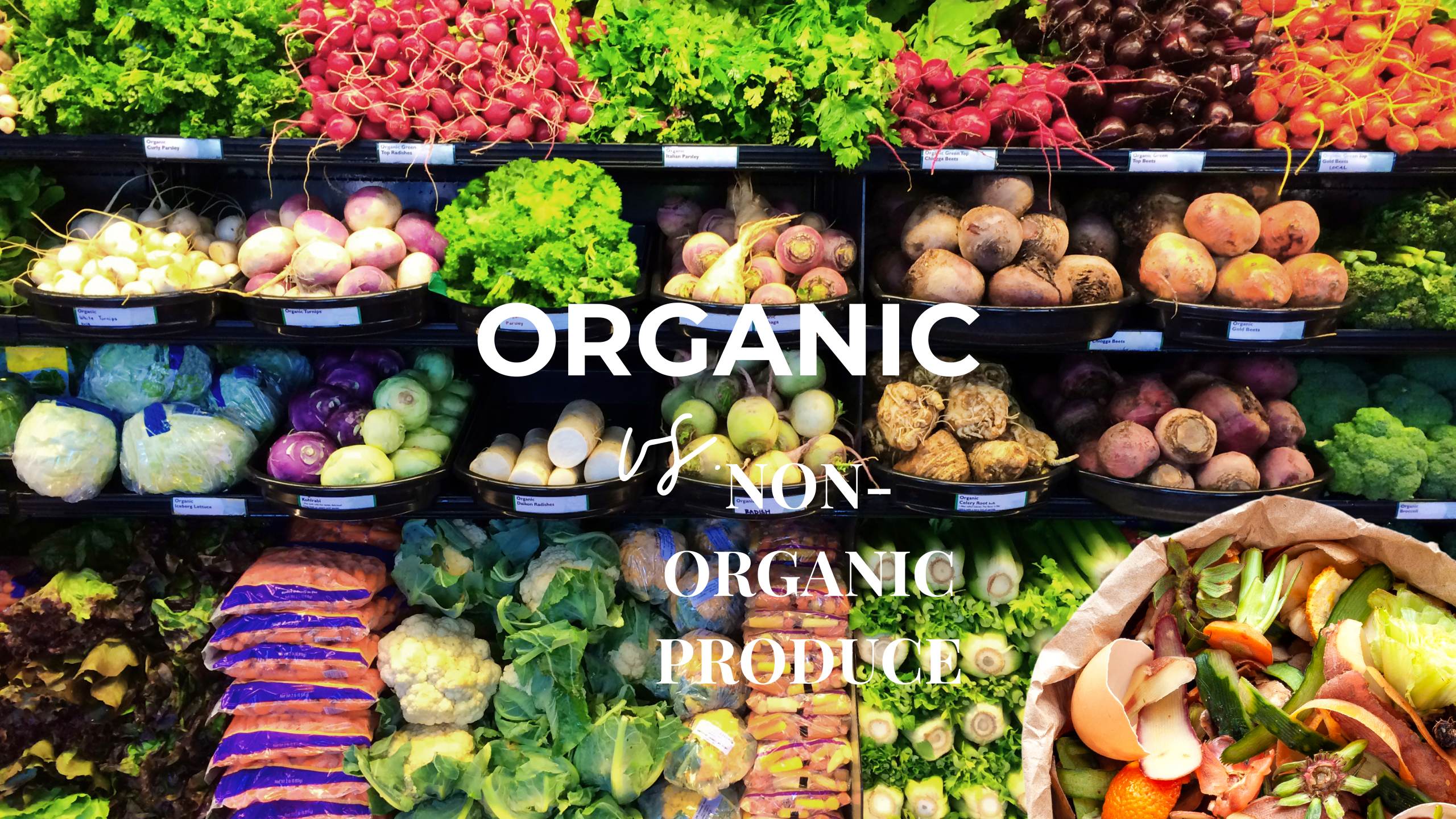
In recent years, the debate over organic vs. non-organic produce has become increasingly prevalent. As consumers, we face numerous choices, from the food we eat to the products we use. When it comes to produce, the choice between organic and non-organic can seem overwhelming. In this review, we will delve into the key differences, benefits, and potential drawbacks of each, helping you to decide whether the higher price of organic produce is justified.
Understanding Organic and Non-Organic Produce
To understand the organic vs. non-organic produce debate, we first need to define what each term means. Organic produce is grown without the use of synthetic pesticides, fertilizers, genetically modified organisms (GMOs), or radiation. Instead, it relies on natural methods such as composting, crop rotation, and biological pest control to maintain soil fertility and reduce pests.
Non-organic produce, on the other hand, is typically grown using conventional farming methods. These methods may include the use of synthetic chemicals and GMOs to enhance growth and protect crops. While these practices can lead to higher yields and lower costs, they may also raise concerns about pesticide residues and environmental impact.
A key point to consider is the certification process. Organic produce must adhere to strict guidelines set by regulatory bodies, such as the USDA in the United States or EU standards in Europe. This certification ensures that the produce meets specific standards for organic farming, providing consumers with a level of trust.
In contrast, non-organic produce does not have to meet these stringent requirements. However, this does not necessarily mean that non-organic produce is inherently bad or unsafe. It simply follows different farming methods aimed at maximizing efficiency and productivity.
Health Benefits and Concerns
When it comes to health benefits, organic produce is often touted as the better choice. One primary reason is the absence of synthetic pesticides and fertilizers. Studies have shown that organic produce contains fewer pesticide residues than non-organic produce, which can be a significant factor for those concerned about potential health risks.
Moreover, some research suggests that organic produce may have higher levels of certain nutrients. For instance, organic fruits and vegetables have been found to contain higher levels of antioxidants compared to their non-organic counterparts. Antioxidants are beneficial compounds that help protect our cells from damage caused by free radicals, potentially reducing the risk of chronic diseases.
However, it’s essential to acknowledge that the nutritional differences between organic and non-organic produce are often marginal. The overall health benefits of consuming fruits and vegetables, regardless of their cultivation method, far outweigh any minor differences in nutrient content.
On the flip side, non-organic produce is not without its benefits. Conventional farming methods can produce larger quantities of food at lower costs, making it more accessible to a broader population. This affordability is crucial, especially in regions where food security is a concern. Additionally, the use of GMOs in non-organic farming can lead to crops that are more resistant to pests and diseases, potentially reducing the need for chemical interventions.
Environmental Impact
Another critical aspect to consider in the organic vs. non-organic produce debate is the environmental impact. Organic farming practices are generally regarded as more environmentally friendly. By avoiding synthetic chemicals and promoting biodiversity, organic farms can reduce soil and water pollution. These practices also support healthy ecosystems, as the use of natural pest control methods helps maintain a balance between pests and beneficial insects.
Organic farming also emphasizes soil health. Techniques like crop rotation and composting help maintain soil fertility and structure, reducing erosion and promoting sustainable agriculture. This focus on soil health can lead to long-term benefits for the environment, as healthy soils are better equipped to sequester carbon and combat climate change.
In contrast, conventional farming practices can have a more significant environmental footprint. The use of synthetic pesticides and fertilizers can lead to soil degradation, water contamination, and harm to non-target species, including beneficial insects and wildlife. Additionally, the reliance on monoculture farming (growing a single crop over a large area) in conventional agriculture can reduce biodiversity and increase vulnerability to pests and diseases.
However, it is worth noting that not all non-organic farming practices are equally harmful to the environment. Integrated Pest Management (IPM), for example, is a sustainable approach used by some conventional farmers to minimize pesticide use and promote ecological balance. The environmental impact of non-organic farming can vary widely depending on the specific practices employed.
Economic Considerations
When it comes to the cost of organic vs. non-organic produce, organic options are generally more expensive. This price difference can be attributed to several factors, including the labor-intensive nature of organic farming, lower crop yields, and the costs associated with obtaining and maintaining organic certification.
For many consumers, the higher price of organic produce can be a barrier. This is especially true in households with limited budgets, where the priority is often to maximize the quantity of food purchased rather than its organic status. However, some argue that the higher price of organic produce is justified by the potential health and environmental benefits.
On the other hand, non-organic produce is typically more affordable and widely available. The economies of scale achieved through conventional farming methods allow for lower production costs, which are passed on to consumers. This affordability makes non-organic produce an essential part of the food supply, ensuring that fresh fruits and vegetables are accessible to a larger population.
It’s also important to consider the broader economic impact. Organic farming can support local economies by promoting small-scale farms and reducing reliance on large agricultural corporations. By choosing organic produce, consumers can contribute to a more diverse and resilient food system, potentially benefiting local communities and economies.
After examining the various aspects of the organic vs. non-organic produce debate, it’s clear that the choice between the two is not black and white. Organic produce offers several advantages, including reduced pesticide residues, potential health benefits, and a lower environmental impact. However, these benefits come at a higher cost, which may not be affordable for everyone.
Non-organic produce, while more economical and widely available, can still provide essential nutrients and support food security. The environmental impact of non-organic farming can be mitigated through sustainable practices, although it generally has a larger footprint compared to organic farming.
Ultimately, the decision to purchase organic or non-organic produce depends on individual priorities and circumstances. For those who can afford it and prioritize environmental sustainability and reduced pesticide exposure, organic produce may be worth the investment. For others, the affordability and availability of non-organic produce make it a practical and necessary choice.
In conclusion, whether you choose organic or non-organic produce, the most important factor is to incorporate a variety of fruits and vegetables into your diet. Both options have their merits, and the key is to make informed decisions based on your values and resources. By doing so, we can all contribute to a healthier and more sustainable food system.