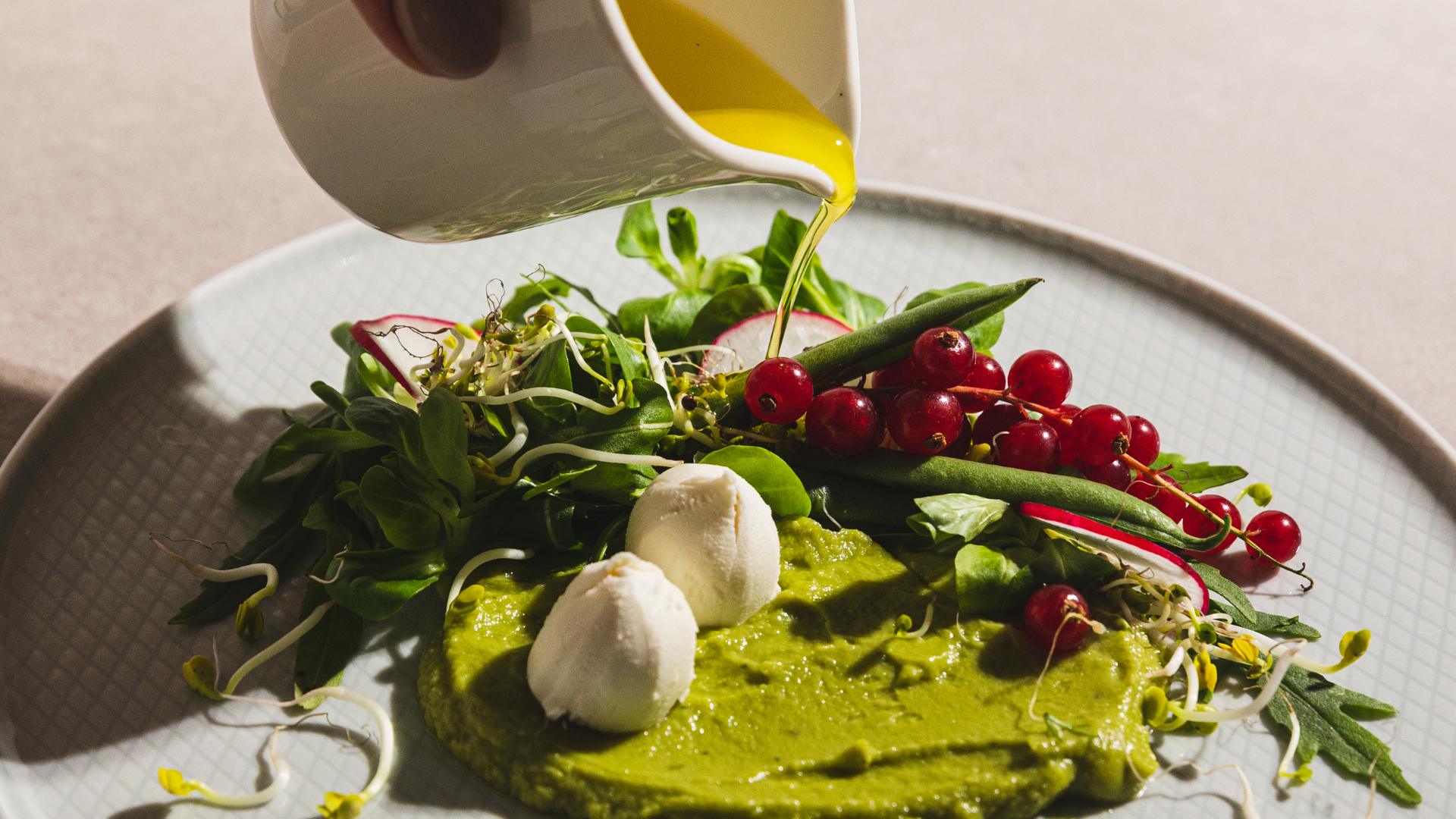
Mastering the Art of Plating Special Dishes Like a Chef

Home 9 Special Food 9 Mastering the Art of Plating Special Dishes Like a Chef

In the culinary world, presentation is as vital as flavor. As we move into 2024, the art of plating dishes has evolved, becoming a significant element in creating unforgettable dining experiences. While taste remains paramount, the visual allure of a dish can transform a meal into an extraordinary event. In this article, we delve into the techniques and strategies that chefs use to elevate their plates into works of art. We’ll explore how color, texture, and composition play a role in making a dish not only delicious but captivating to the eye. Whether you’re a novice cook or a seasoned chef, mastering the art of plating can enhance your culinary repertoire.

The Visual Palette: Using Colors in Plating

In the realm of gastronomy, the palette isn’t just limited to flavors—colors play a pivotal role in culinary artistry. The visual impact of a dish begins with its color scheme, which can trigger emotions and stimulate the appetite. Chefs consider the plate as a blank canvas, where they paint with ingredients to create contrast and harmony.

Creating contrast involves pairing complementary colors—think of the vibrant green of a fresh basil leaf against the rich red of tomato sauce. This technique not only draws the eye but can also enhance the perception of different flavors.

Harmony, on the other hand, involves using analogous colors, such as the soothing combination of pale yellows, soft greens, and creamy whites in a dessert plate. Such combinations convey a sense of unity and balance, often evoking feelings of calmness and satisfaction.

When we consider plating as an art form, the judicious use of colors becomes a powerful tool in creating a memorable dining experience. It’s about knowing when to add a pop of color or when a monochromatic scheme might suffice. The interplay of colors isn’t just about aesthetics; it invites diners on a visual journey before the first bite is taken.

Techniques of the Trade: Elevating Culinary Presentation

No two chefs will plate a dish in the same way, and this is where the artistry of plating truly shines. Various techniques bring out the essence of a dish, turning it into a visual masterpiece.

Layering is one foundational technique often employed to add depth and interest. A well-constructed layered dish can highlight different textures and flavors, guiding the diner through a multi-sensory experience. Think of a trifle dessert where layers of cream, fruit, and pastry create an enticing visual and taste profile.

Garnishing is another technique used to enhance the visual appeal. A simple sprinkle of herbs or a drizzle of sauce can add dimension and character, transforming a simple dish into something exceptional. However, garnishes should be used purposefully—they should add flavor or texture, rather than serving as mere decoration.

Height and balance are also critical. Chefs aim to create a sense of architecture on the plate, stacking ingredients to create vertical interest. This technique can highlight the main elements of the dish, bringing them to the forefront for the diner.

Incorporating these techniques can elevate the dining experience, allowing us to express creativity and craftsmanship through our plates.

The Chef’s Perspective: Creating Memorable Dishes

Today, diners expect more than just a meal—they desire an experience. From the moment a dish reaches the table, its presentation can captivate and set the stage for what’s to come. For chefs, plating is an opportunity to tell a story.

Each element on the plate should have a purpose, contributing to a cohesive narrative. We begin with a focal point, often the protein or main component, which draws the diner’s attention. Supporting elements like vegetables or grains should complement the primary focus without overpowering it.

Textures are also vital. A well-plated dish often includes a variety of textures to keep the meal interesting and engage the senses. The crunch of a toasted nut, the creaminess of a sauce, or the tenderness of a roasted vegetable can all add layers of complexity.

Moreover, the choice of plate itself affects the presentation. White plates are often favored for their versatility, acting as a neutral backdrop that allows colors to pop. However, colored or patterned plates can also be effective, enhancing the visual story we aim to create.

Ultimately, plating is about adding value—it’s about transforming a dish into an experience that lingers in the memory, long after the meal has concluded. As we navigate the culinary landscape of 2024, the art of plating continues to evolve, reflecting innovation and creativity within the industry. By embracing the principles of color, technique, and storytelling, we can elevate our culinary creations to new heights. The next time we prepare a dish, let us remember the power of visual presentation. Plating is about more than aesthetics; it’s an opportunity to breathe life and emotion into each culinary creation. As chefs and food enthusiasts alike, we hold the brush to this canvas, shaping experiences that delight, inspire, and engage our diners.

FAQ


What are some basic principles of plate presentation?

The basic principles of plate presentation include balance, contrast, and alignment. Balance refers to the distribution of food on the plate, ensuring it looks pleasing and not overcrowded. Contrast involves using different colors and textures to make the dish visually interesting. Alignment is about arranging food in a way that guides the diner’s eye across the plate naturally.

How can I enhance the visual appeal of my dishes?

To enhance the visual appeal of your dishes, consider using garnishes that complement the flavors of the meal. Fresh herbs, edible flowers, or a drizzle of sauce can add color and elegance. Additionally, using plates that contrast with the food can help make the dish stand out.

What tools can aid in professional-looking plating?

Several tools can help achieve professional-looking plating. Tweezers are useful for precise placement of small garnishes. Squeeze bottles can be used for controlled sauce application. Ring molds help create uniform shapes, and brushes can be employed to paint sauces on the plate for a creative touch.

How does portion size impact plating?

Portion size is crucial in plating as it affects the overall presentation and balance of the dish. Proper portioning ensures that the plate does not look empty or overcrowded. It’s important to leave some white space to frame the food and make it more appealing.

Are there any common mistakes to avoid in plating?

Common mistakes in plating include overcrowding the plate, using too many garnishes, and neglecting color contrast. It’s important to avoid these pitfalls to ensure the dish remains the star. Simplicity often leads to elegance, so focusing on a few key elements can create a more sophisticated presentation.

7 Unique Ingredients to Elevate Your Special Occasions Meals

Creating dishes that leave a lasting impression on your guests is an art, one that requires a balance of creativity, flavor, and presentation. With special occasions such as birthdays, anniversaries, and holiday dinners, the stakes are even higher. Elevating your...

Seasonal Ingredients to Make Every Meal Feel Special

As we step into a new year, we often find ourselves reflecting on our eating habits and how we can elevate our cooking. The concept of seasonal cooking is gaining traction, and for good reason. By using fresh, local ingredients that are in season, we can enhance the...

My Review of Organic vs. Non-Organic Produce: Is It Worth the Price?

In recent years, the debate over organic vs. non-organic produce has become increasingly prevalent. As consumers, we face numerous choices, from the food we eat to the products we use. When it comes to produce, the choice between organic and non-organic can seem...

The Best Superfoods to Include in Your Diet: Health Benefits and Tips

In today's fast-paced world, maintaining a healthy diet often falls by the wayside. Yet, the secret to a balanced and nutritious lifestyle lies in our food choices. Superfoods — nutrient-rich foods considered to be especially beneficial for health and well-being — can...

5 Tips for Preparing Gluten-Free Desserts Everyone Will Love

As the demand for gluten-free options continues to rise, especially with more people being diagnosed with celiac disease or choosing a gluten-free lifestyle, the world of desserts can sometimes feel limited. However, we are here to assure you that gluten-free desserts...

How to Create Memorable Meals for Special Occasions

In our fast-paced world, where instant gratification often trumps tradition, there's an undeniable magic in gathering loved ones around a dining table. Crafting memorable meals for special occasions is more than just cooking; it's an art of blending flavors,...

Unique Special Food Traditions from Around the World

As we traverse through cultures and countries, we discover the rich tapestry of food traditions that define each region. These traditions are not merely about dishes or recipes; they embody the culture, history, and values of the people who create and enjoy them. Each...

My Review of Sea Salt vs. Himalayan Pink Salt: Which One to Use?

Salt is a staple in every kitchen, but not all salts are created equal. In recent years, different types of salts, particularly sea salt and Himalayan pink salt, have gained popularity due to their purported health benefits and unique properties. As we explore these...

Decoding Luxury Ingredients When and How to Use Them

In today's world of beauty and skincare, the allure of luxury products is undeniable. These high-end offerings often promise a blend of opulence and efficacy, drawing on premium ingredients to deliver unparalleled results. But what truly defines a luxury product? Is...

The science behind mix glacier: how it elevates ice cream production ?

In the world of artisanal ice cream, achieving the perfect balance of texture, flavor, and consistency is a constant challenge. Professionals in the industry must ensure that every batch meets high standards while also maintaining efficiency in production. One of the...

Special Food Ideas for Birthdays, Anniversaries, and Celebrations

As we gather to celebrate life's milestones, food becomes a centerpiece of our festivities. Whether it’s a birthday, an anniversary, or any special occasion, the right dishes can elevate our gatherings from ordinary to memorable. In this article, we will explore a...

The Role of Spices in Special Foods Across Cultures

As we embark on this flavorful journey, spices emerge as timeless companions in our global culinary adventure. They are the very essence of our cultural and gastronomic tapestry, weaving together history, tradition, and taste in a symphony of aromas and colors. From...

How to Make Homemade Salted Caramel: Step-by-Step Guide

Making homemade salted caramel is a rewarding experience that transforms basic ingredients like sugar and cream into a luscious and versatile sauce. Whether drizzled over ice cream, used as a dip for caramel apples, or incorporated into your favorite recipes, homemade...

Plant-Based Special Food Recipes for Vegans and Vegetarians

In a world where food choices can significantly impact our health and the environment, plant-based diets are gaining traction. Whether you're a committed vegan, a curious vegetarian, or simply someone seeking healthier culinary options, a plant-based lifestyle can be...

Crafting the Perfect Special Food Menu for a Romantic Dinner

As we step into a new year, many of us are eager to create unforgettable moments with our loved ones. A romantic dinner is an excellent way to express our affection and appreciation. Whether it’s Valentine’s Day or just another ordinary day, crafting the perfect meal...

How to Create the Ultimate Vegan Cheese Board: Top Brands Compared

Creating the ultimate vegan cheese board is easier than ever, thanks to the incredible variety of plant-based cheeses available today. From creamy spreads to firm slices, the options cater to all tastes and preferences. In this article, we will explore the best vegan...

8 Essential Herbs and Spices Every Kitchen Should Have

A well-stocked spice rack is the secret weapon of many great cooks. Herbs and spices not only add flavor and depth to your dishes but also come with numerous health benefits. Whether you're a novice cook or a seasoned chef, having these eight essential herbs and...

How to Choose the Right Olive Oil: A Comparison of Top Brands

Olive oil is a staple in many kitchens around the world, prized for its flavor, versatility, and health benefits. However, navigating the olive oil aisle can be overwhelming, with countless brands and varieties to choose from. This guide will help you understand what...

How to choose your corkscrew ?

To choose the best corkscrew, it is necessary to consider it from several points of view. It is an everyday accessory, but also an accessory which can easily bring a decorative touch to your table. Knowing how to choose the right sizes, the right brands, the right...

Spotlight on gluten-free eating

Eat differently. That could also have been the title of this article. Regaining possession of your body, your spirit, reconnecting to nature, a complete way of life. And why not… : - Support local producers - Try organic food - Look at labels… it’s frightening! -...

Achard : a starter from the Reunion Island

Are you looking for a starter to cook for your guests during the summer period ? Look no further I have the perfect dish for you!  Achard: What is it? Achard is a dish that is typical of the Reunion Island. It is a coloured mixture of vegetables. Easy to realise, it...