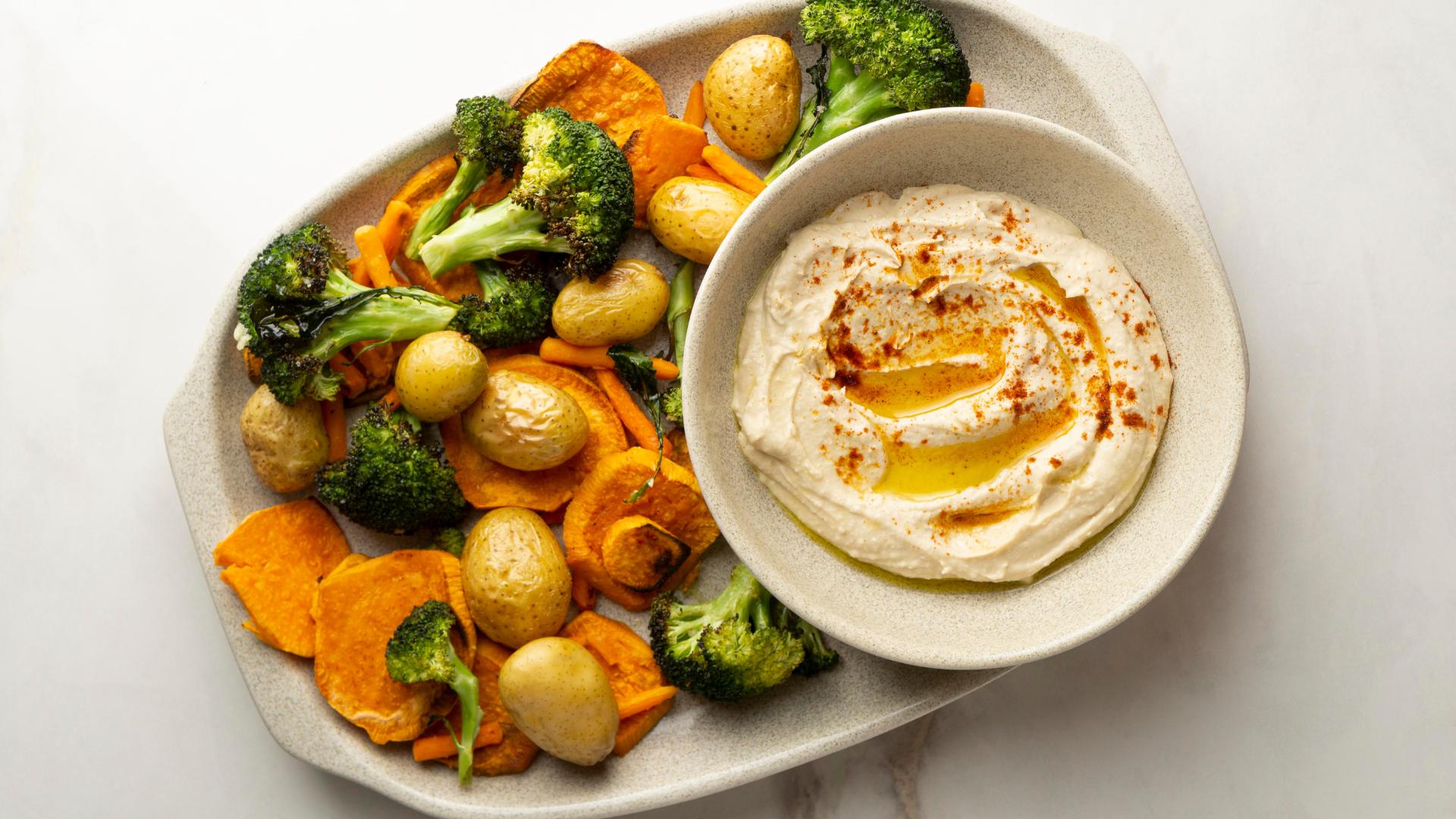
As we step into a new year, we often find ourselves reflecting on our eating habits and how we can elevate our cooking. The concept of seasonal cooking is gaining traction, and for good reason. By using fresh, local ingredients that are in season, we can enhance the flavor and nutrition of our meals. In this article, we will explore how seasonal ingredients can transform our cooking, focusing on delicious recipes that celebrate each season’s unique offerings. Whether it’s a refreshing salad in the summer, a warm dish in the winter, or something sweet in the spring, let’s discover how we can make every meal feel special.
- 1 Spring: Embracing Fresh Flavors
- 2 Summer: Bright and Bold Ingredients
- 3 Autumn: A Harvest of Rich Flavors
- 4 Winter: Comforting and Hearty Dishes
-
5
FAQ
- 5.1 What are seasonal ingredients, and why are they important?
- 5.2 How can I find out which ingredients are in season?
- 5.3 What are some benefits of cooking with seasonal ingredients?
- 5.4 Can seasonal ingredients be used in a wide variety of dishes?
- 5.5 How can I store seasonal ingredients to maintain their freshness?
Spring: Embracing Fresh Flavors
Spring brings a burst of fresh ingredients that invigorate our cooking. As the weather warms up, we can enjoy a variety of vegetables and herbs that are perfect for light and vibrant dishes. One of the key ingredients we should look for are asparagus. This nutrient-rich vegetable is known for its earthy flavor and versatility. We can use asparagus in salads, stir-fries, or even as a side dish.
Another seasonal favorite is peas. Sweet and tender, fresh peas can be tossed into salads or blended into a creamy soup. To create a delightful spring dish, let’s consider making a chicken salad with roasted spring vegetables. We start by grilling chicken breasts seasoned with salt and pepper, then we mix them with asparagus, peas, and some fresh herbs like mint or basil. A light vinaigrette made from lemon juice and olive oil will elevate the flavors.
Don’t forget about leafy greens like spinach and arugula. These greens are perfect for salads or as a base for grain bowls. With their distinct flavors, they can add depth to any dish. We can create a vibrant salad by combining arugula with sliced strawberries, goat cheese, and toasted nuts, drizzled with a balsamic reduction. This sweet and savory combination perfectly captures the essence of spring.
As we explore spring recipes, we should also consider desserts. Fresh fruits like strawberries and rhubarb are available, making them perfect for pies and tarts. A simple strawberry rhubarb crisp can be an excellent way to enjoy these seasonal ingredients. With a crumbly topping and a scoop of vanilla ice cream, this dish celebrates spring’s bounty.
Summer: Bright and Bold Ingredients
Summer is a time of abundance, with gardens brimming with colorful fruits and vegetables. This season allows us to experiment with bold flavors and refreshing dishes. One star ingredient during the summer months is tomatoes. From heirloom varieties to cherry tomatoes, they can add sweetness and acidity to our dishes. We can prepare a classic Caprese salad with fresh mozzarella, basil, and a drizzle of balsamic glaze.
Another summer favorite is zucchini. This vegetable can be spiralized, grilled, or sautéed and pairs wonderfully with various proteins. A popular recipe we can try is zucchini noodles topped with grilled shrimp and a garlic-lemon sauce. This dish not only celebrates the flavors of summer but is also healthy and light.
Moreover, summer is the perfect time for grilling. We can marinate chicken in a citrus-based sauce and grill it alongside seasonal vegetables like bell peppers and corn. The smoky flavors combined with the sweetness of grilled corn make for a delightful dish. Let’s not forget about the refreshing side of summer—salads. A watermelon and feta salad can be a stunning addition to our meals, combining juicy watermelon with salty feta and fresh mint.
For dessert, we can indulge in the sweetness of summer fruits. A berry tart or a peach cobbler showcases the season’s best offerings. Incorporating seasonal ingredients not only enhances the taste but also makes our meals visually appealing and satisfying.
Autumn: A Harvest of Rich Flavors
As we transition into autumn, the flavors become richer, and the ingredients heartier. This season is characterized by a bountiful harvest, with pumpkins, squash, and root vegetables coming into play. One of our favorite autumn recipes could be a creamy pumpkin soup. We can create this dish by roasting pumpkins and blending them with onions, garlic, and a hint of nutmeg, resulting in a comforting bowl of warmth.
Squash is another ingredient to embrace during this time. We might enjoy roasting butternut squash and tossing it in a salad with kale, quinoa, and cranberries. This combination not only offers a range of textures but also a vibrant color palette that uplifts the spirit.
Additionally, apples are in season during autumn, providing sweetness and crunch. We can incorporate them into savory dishes, such as a chicken and apple bake, where the sweetness of the apples beautifully complements the savory flavors of the chicken. A sprinkle of cinnamon can add a warm touch.
For those of us who enjoy baking, autumn is the perfect time for pies and crumbles. An apple crisp topped with oats, brown sugar, and butter can be a delightful dessert, served warm with a scoop of ice cream. Utilizing the seasonal ingredients available during this time allows us to create dishes that are not only hearty but also nourishing.
Winter: Comforting and Hearty Dishes
Winter brings the need for warmth and comfort in our meals. As the temperatures drop, we can turn to hearty ingredients that provide sustenance. Root vegetables such as carrots, potatoes, and turnips are at their peak during this season. We can create a robust vegetable stew that showcases these ingredients. By slow-cooking them with herbs, spices, and a rich broth, we can create a satisfying dish that warms us from the inside out.
Chicken is also a popular protein to cook during winter. A classic chicken pot pie can be an excellent way to combine comfort with seasonal flavors. Using root vegetables and a flaky crust creates a dish that is both nostalgic and fulfilling. This can be a favorite for family gatherings or cozy dinners.
In addition to stews and pies, winter salads can also be delightful. We can use hearty greens like kale and incorporate roasted vegetables and nuts for added texture. A warm kale salad with roasted sweet potatoes and a tahini dressing can be both nourishing and satisfying.
For those with a sweet tooth, winter is the time to bake. Spices like cinnamon and nutmeg can bring warmth to our baking. A spiced apple cake or a gingerbread loaf can fill our homes with wonderful aromas while providing a comforting treat. Utilizing seasonal ingredients in our baking not only enhances the flavor but also connects us to the season. Incorporating seasonal ingredients into our cooking allows us to celebrate nature’s bounty throughout the year. By focusing on fresh, local produce, we can create meals that are not only delicious but also healthy and satisfying. From the vibrant salads of spring to the hearty dishes of winter, each season offers unique flavors and ingredients that enhance our cooking experience. As we explore these recipes, let’s remember that cooking with the seasons can make every meal feel special. So, let’s embrace the changing seasons, gather our ingredients, and delight in the art of cooking together.
FAQ
What are seasonal ingredients, and why are they important?
Seasonal ingredients are fruits, vegetables, and other produce that are harvested at their peak during specific times of the year. They are important because they are fresher, more flavorful, and often more nutritious compared to out-of-season produce. Additionally, using seasonal ingredients can support local farmers and reduce the environmental impact of transporting food long distances.
How can I find out which ingredients are in season?
To discover what ingredients are in season, you can check local farmers’ markets, visit grocery stores that highlight seasonal produce, or refer to online resources and apps dedicated to seasonal eating. Seasonal food guides specific to your region can also provide valuable information.
What are some benefits of cooking with seasonal ingredients?
Cooking with seasonal ingredients offers several benefits, including enhanced flavors, better nutritional value, and cost savings, as seasonal produce is often more abundant and less expensive. It also encourages culinary creativity by inspiring you to try new recipes and experiment with different flavors.
Can seasonal ingredients be used in a wide variety of dishes?
Yes, seasonal ingredients can be incorporated into a diverse range of dishes, from appetizers and salads to main courses and desserts. Their versatility allows you to adapt your favorite recipes to include fresh, seasonal elements, making each meal feel unique and special.
How can I store seasonal ingredients to maintain their freshness?
Proper storage techniques depend on the type of ingredient. Many fruits and vegetables can be stored in the refrigerator, while some, like tomatoes and potatoes, prefer room temperature. For longer preservation, consider freezing, canning, or pickling seasonal produce to enjoy their flavors even when they are out of season.